Vol. 5 Núm. Especial II (2025): A cultura e as literaturas em línguas africanas: estudos e pesquisas/Culture and literature in African languages: studies and research_ Parte II
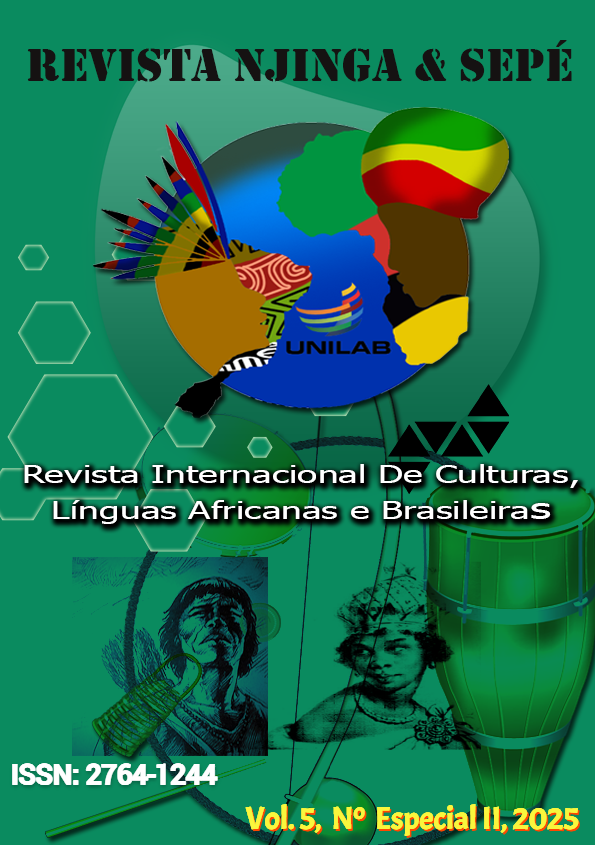
A presente publicação especial resulta de parcerias entre o Prof. Dr. Alexandre António Timbane (Editor da Revista Njinga & Sepé) e Prof.Dr. Bayọ Ọmọlọla, docente do Department of World Languages and International Studies, da Morgan State University (USA). Trata-se de uma parceria de trocas e compartilhamento de materiais com vista a preservação, valorização e divulgação das linguas africanas além fronteiras. As linguas africanas existem, estão vivas e são meios de comunicação e precisam de cada vez mais divulgadas e ensinadas para as novas gerações. A Declaração Universal dos Direitos Linguisticos (1996) defende que "Todas as comunidades linguísticas têm direito a um ensino que permita aos seus membros adquirirem um conhecimento profundo do seu patrimônio cultural (história e geografia, literatura e outras manifestações da própria cultura), assim como o melhor conhecimento possível de qualquer outra cultura que desejem conhecer." (Art.28). Esta é a primeira publicação de tantas outras que vamos promover e divulgar em favor da divulgação da cultura africana e das línguas locais. As línguas indigenas brasileiras e da américa latina também podem publicar seus trabalhos nesta revista. Há espaço para todas as línguas do mundo que desejam compartilhar suas culturas e línguas. Na qualidade de Editor-chefe da Revista Njinga & Sepé agradeço muito a colaboração do Prof. Dr. Bayọ Ọmọlọla pela ideia de divulgar os artigos publicados. Agradecemos aos avaliadores que gentilmente apreciaram e deram parecer dos textos aqui publicados. Muito obrigado professor Bayọ Ọmọlọla pela sua colaboração com a Revista Njinga e Sepé.
****
This special publication is the result of a partnership between Alexandre António Timbane, Ph.D (Editor of Njinga & Sepé Journal) and Bayọ Ọmọlọla, Ph.D. a professor in the Department of World Languages and International Studies at Morgan State University (USA). This partnership involves exchanging and sharing materials with a view to preserving, promoting, and disseminating African languages across borders. African languages exist, are alive, and are means of communication, and they need to be increasingly disseminated and taught to new generations. The Universal Declaration of Linguistic Rights (1996) states that "All language communities have the right to education that enables their members to acquire a thorough knowledge of their cultural heritage (history and geography, literature and other manifestations of their own culture), as well as the best possible knowledge of any other culture they wish to know." (Art. 28). This is the first of many publications that we will promote and disseminate to promote African culture and local languages. Indigenous languages from Brazil and Latin America can also publish their work in this journal. There is space for all languages of the world that wish to share their cultures and languages. As Editor-in-Chief of the Njinga & Sepé Journal, I am deeply grateful to Prof. Dr. Bayọ Omọlọla for his collaboration in sharing the published articles. We thank the reviewers who kindly appreciated and provided feedback on the texts published here. Thank you very much Professor Bayọ Ọmọlọla for your collaboration with the Njinga and Sepé Journal.
********
Àtẹ̀jáde pàtàkì yìí jẹ́ àbájáde àjọṣepọ̀ láàrin Ọ̀jọ̀gbọ́n Dókítà Alexandrie António Timbane (Olóòtú-Àgbà ti Ìwé Àtìgbàdégbà Njinga & Sepé) àti Ọ̀jọ̀gbọ́n Dókítà Báyọ̀ Ọmọlọlá, Olóòtú Àkànṣe ti Njinga & Sepé yìí àti olùkọ́ ní Department of World Languages and International Studies ní Morgan State University, USA. Àjọṣepọ̀ yìí jẹ́ wáyè pẹ̀lú ṣíṣe pàsípàrọ̀ àtì pínpín àwọn ohun èlò pẹ̀lú èrò láti ṣe ìtọ́jú, ìgbéga, àti ìtànkálẹ̀ àwọn èdè Áfíríkà kọ́já àwọn ààlà. Àwọn èdè Áfíríkà wà, en wà láàyè, wọ́n sì ọ̀nà ìbánisọ̀rọ̀, wọ́n sì ní láti máa túnbọ̀ tàn kálẹ̀, kí wọn sì máa kọ́ ìran tuntun lo. Ìkéde àgbáyé ti awọn ètò Ẹ̀ka Èdè (1996) sọ ọ̀pọ̀lọpọ̀ nǹkan nípa ohun-iní àṣà wọn (ìtàn ìṣẹ̀dálẹ̀ ilé-ayé, àwọn ilé-ìwé àti àwọn
Ìfihàn àṣà tiwọn), bákan náà pẹ̀lú ìmọ̀ tó dára jùlọ, ti àṣà mìíràn tí wọn fẹ́ láti mọ̀" (Aya). Èyí ni ìgbà àkọ́kọ́ tí ìwé àtìgbàdégbà yìí ní kìkìdá àtẹ̀jáde tí yóò gbé èdè àti àṣà Áfíríkà lárúgẹ káàkiri. Àwọn èdè ìbílẹ̀ Brazil àti ti Latin America tún lè tẹ iṣẹ́ wọn jáde nínú ìwé Àtìgbàdégbà yìí. Àyè wà fún Gbogbo èdè àgbáyé tó fẹ́ káyé mọ èdè àti àṣà wọn. Gbogbo bí olóòtú àgbà fún ìwé Njinga & Sepé, mo dúpẹ́ púpọ̀ lọ́wọ́ Ọ̀jọ̀gbọ́n, Dókítà Báyọ̀ Ọmọlọlá, fún ìfọwọ́sowọ́pọ̀ wọn láti pín àwọn nǹkan tí a gbé jáde nínú Njinga & Sepé. A dúpẹ́ lọ́wọ́ àwọn olùyẹbébàwò tí wọn ní ìrìrì, tí wọn sì gbé àwọn bébà tí a tẹ̀ jáde lé orí òsùnwọ̀n bó ti yẹ kí á tó yẹ wọn jáde.
*****
Guest Editor: Báyọ̀ Ọmọlọlá, Ph.D/ Editor in chief: Alexandre António Timbane, Ph.D.
Publicado:
23-08-2025